Archives for December 2021

$6,000 IRA Contribution Goal 2021 Final Results:: $5,592 in Bonuses, $2500+ in Extra Interest

2021 end-of-year update. I have an informal goal each year of earning the equivalent of the maximum annual IRA contribution limit of $6,000 using the profits from various promotions alone. If you had put $6,000 into your IRA every year for the last 10 years (2011-2020) and invested in a simple Target Date retirement fund, you would have turned small deals into a $100,000+ nest egg.

Example. I was recently approved for the new Capital One Venture X card, and I was hoping the $1,000+ value would put me over the $6,000 threshold. I’m very confident that I’ll get at least $1,000 out of this card, as (1) we have multiple upcoming trips planned, (2) are renewing Global Entry for $100, and (2) this is the rare card that lets us gain lounge access for a family of 5. Each cardholder is free plus 2 guests, but additional cardholders are free 😉. I will offset $1,000 in travel expenses I would have incurred anyway, and invest it instead.

The ground rules: Real-world results for one person only. As following with My Money Blog tradition, this will track my personal, real-world results. It would be quite easy to list a bunch of random promotions that add up to $6,000, but these will be promotions that I personally sign up for and complete the requirements (even though I’ve already opened so many bank accounts, credit cards, and brokerage accounts over the years). I will track my individual results only, although my partner does also participate on a more selective basis. I quickly ran through all posts in the Deals and Offers category, Top 10 credit cards list, and brokerage bonus list:

2021 bonuses and promotions

Total from one-time bonuses: $5,592

For 2021, I made it 93% of the way to $6,000 annual IRA contribution limit from one-time bonuses alone. Not bad. In general, this is based on the human tendency to not like change. Most people open a bank account at age 18 and never switch again. Companies have to offer you money to incentivize you to switch your bank or credit cards.

This ignores higher bank interest or ongoing credit card purchase rewards like 2% back on all credit purchases and 5% cash back on specific categories. I did multiple US Mint coin deals this year, but also much fewer credit card applications than in a normal year. My wife and I were thinking of trying to get dual Southwest Companion passes, but we decided not to go for it yet.

Bank interest accounts. With a simple direct deposit change, I earned between 3% and 3.5% APY on $100,000 at HM Bradley for all of 2021, FDIC-insured and with no interest rate risk. (I have the HM Bradley credit card as well.) This is money that could have sat 0.01% at BofA/Chase/Wells Fargo or in a Fidelity/Vanguard/Schwab cash sweep account, or 0.50% at a “high yield” savings account. Deals will come and deals will go, that’s just part of the game, but the fact is that it helped me earn an extra $2,500 this year.

If you follow my monthly best interest rate updates, you know that US Savings bonds are paying 7.12% interest currently. If you maxed out in 2021, you can buy more in January 2022. I view this is a legitimate form of “profit”, but the value is dependent on the size your cash/bond holdings. Thus, I’ve kept it separate.

Total from higher bank interest: $2,500

I don’t like to waste my time either, so I attempt to curate and include the ones that offer a good return based on the time commitment required. I avoid things that involve driving to store where things may or may not be “in stock”. The deals that I post usually last at least a few days, but it’s a bit like value investing where you have to be ready to take advantage of an opening when it shows up, because they won’t last forever. I’m sure that 2022 will offer its own share of opportunities.

Total for 2021: $8,092

Anthony Bourdain: Not Too Late to Change Your Direction

[Programming note: Posting will be light through the end of the year. Hope you have a restful and rejuvenating holiday season!]

The WSJ article Anthony Bourdain: Feast of Memory (link should bypass paywall as I am a WSJ subscriber) briefly highlights four different books that all explore his life and legacy from different perspectives:

So far, I’ve only finished the first one. This observation hit close to home:

At the news of his death, millions of people mourned—and not the way that we mourn a commodity celebrity, with a sharp breath of sorrow and a fleeting salute and a sad-face post on social media. Millions of people mourned Bourdain the way you mourn a friend: primal, personal, disbelieving, unreal, unhealed.

A good Bourdain quote:

“I used to think that basically, the whole world, that all humanity were basically bastards,” he tells John W. Little, in a 2014 interview for Blogs of War. “I’ve since found that most people seem to be pretty nice—basically good people doing the best they can.”

On being an enthusiast:

I’m passionate to the point of being evangelical about things that I love, that give me pleasure, and make me excited. And, um, you know I didn’t really travel until I was forty-two years old, I spent my whole life in kitchens. I’d seen nothing of the world. So, this is all still relatively new to me. People have been very kind to me. I feel very, very, very fortunate.

[…] I don’t feel like I’m an advocate, or a spokesperson for anything. I’m just, you know, I’m an enthusiastic son of a bitch.

Bourdain made a huge dent in the world after the age of 44. I took special notice that he didn’t publish his breakout book Kitchen Confidential until he was 44 years old. He wrote the book as memoir of sorts, by someone who felt at the end of his career. I am now 43 years old. I also feel at the end of some things, and smack in the middle of other things. Perhaps the trick is to also feel at the beginning of something new.

My Favorite Things: High-Quality 2021 Edition

Here are a few of my favorite things, sorted roughly with the most recent purchases on top. I enjoy reading about other folks’ favorite things much more than those generic gift guides. These are my answer to the question “If all your possessions disappeared, which high-quality things would you buy again?” If something comes to mind, that means the price was worth and you probably use it all the time. (Note: If you are reading this in an email/RSS reader, I am not allowed to include any Amazon affiliate links in e-mails, so they have been removed. Please click on the post title above to view the links in a browser. Thanks!)

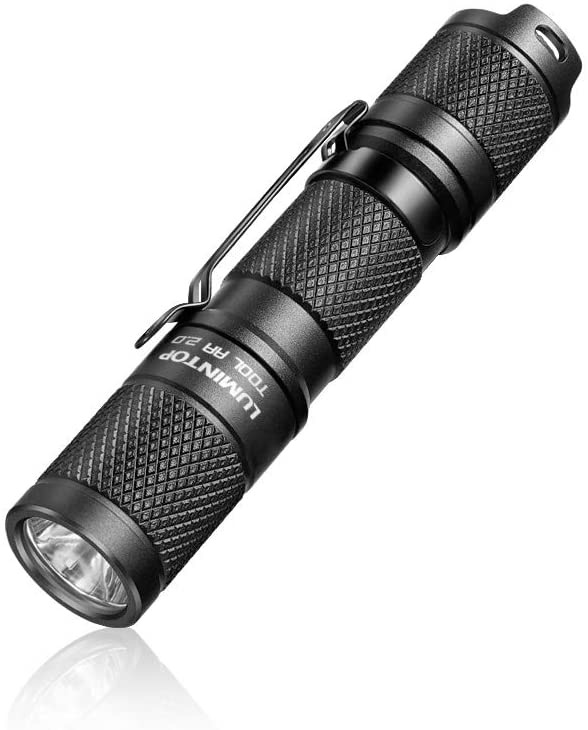
High-quality, AA/14500 LED Pocket flashlight – $20

I am not a flashlight geek, but I have been slowly accumulating these little, powerful flashlights. I used to love those hefty Maglite flashlights, but the 4 D-cell version only put out 151 lumens, with even the baton-like 6 D-cell version putting out 178 lumens. This Lumintop pocket flashlight puts out 270 lumens with a single AA battery and up to a 650 lumens with a 14500 Li-ion battery (you can swap them out as they are the same size). It costs a little under $20 and there are other high-quality brands out there, but I think $20 is a good price point. (For under $30 you get a rechargeable 14500 w/ built-in charging port included.) I don’t want to depend on a low-quality $2 LED flashlight in an emergency situation. I use this multiple times a day – when taking out the dog, looking for lost toys underneath furniture, and so on.

Lodge Enameled Cast Iron Skillet – $80

Confession time… after writing many compliments to my Lodge cast-iron skillet, but it’s now a rusty mess. We used it 3x as much during 2020/2021, but despite a couple of re-seasoning stints in the oven, eventually our sub-par maintenance willpower got the better of us. We started using our Le Creuset and Staub enameled cast-iron pots as a substitute, and eventually decided we wanted something the shape of our old black skillet, but with the enamel finish. This lodge “casserole dish” works perfectly in that regard, as it can go on the stove and straight to the oven. (We love one-dish dinners.) For about $80, we can finally use dish soap on this daily driver.

Dyson V8/V10/V11 Cordless Stick Vacuum – $300+

We have owned one of the earlier heavy-duty, corded Dyson vacuums for over 10 years now and it has worked wonderfully. I had been eyeing these cordless versions for a while, but finally bought one when I saw refurbished ones at a discount at the Dyson Official eBay Store. Although refurbished, it came well-packaged directly from Dyson and I could not tell that it wasn’t brand new. This thing lives in our kitchen/dining area and the convenience and power is amazing, much to our dog’s dismay. I don’t know all off the differences between all the flavors; I bought the V10 because it was powerful while only a bit more expensive than the V8 at that time, but the pricing and inventory varies.

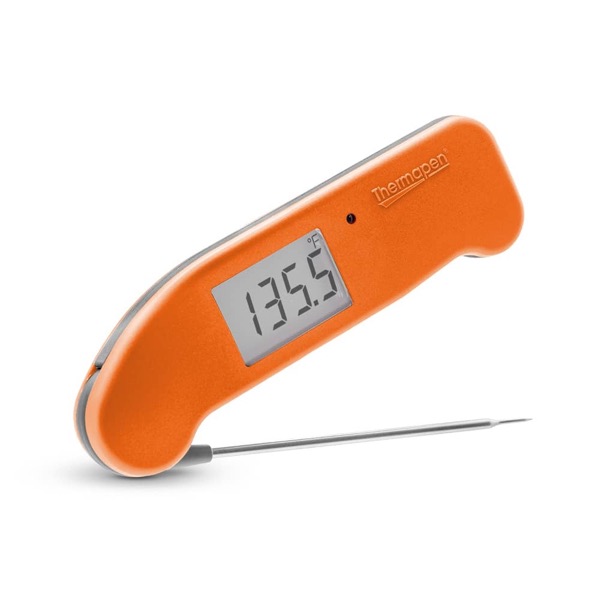
Thermapen food thermometer by Thermoworks – $80 to $100

There are many imitators, but as someone who has wasted money buying cheaper stuff, the frequent home cook should just go straight to Thermworks.com. They don’t sell anywhere on Amazon, so don’t look there. Thermoworks has clearly thought obsessively about how to make a precise, reliable, easy-to-use food thermometer. I expect it to last 10 years easy. It turns on when you need it, it turns off when you don’t, and simply feels high quality. It just makes home cooking easier and more foolproof. I have the classic Thermapen, which apparently was so good that they still sell it (at nearly zero discount) despite creating this newer improved version. However, I also suspect that most people (including myself) could get away with the $35 Thermopop.

Osprey Packs Farpoint 40 Travel Backpack – $160

After doing a lot of research on travel/hiking backpacks, I went with an Osprey Pack. They have an All Mighty Guarantee that will repair any damage for any reason free of charge, no matter when you bought it. So far, I have not been disappointed. Quality materials and construction. Just wish I could have used it more… it still looks far too new!

zeroll

Zeroll Original Ice Cream Scoop – $20

If you walk into an ice cream parlor, this is probably the brand that they use. Once you try it, you will wonder why all the other ice cream scoops in the world are so bad in comparison. Made of aluminum plus a conductive fluid inside that makes it easier to get through rock-hard ice cream. It creates the perfect ball shape for placing on cones. The 2-ounce size makes a small/medium scoop (good for kids) but other sizes are available. We go though a lot of ice cream in my house. Aluminum won’t rust and there are no moving parts, so it should last forever. Why not own the best ice cream scoop in the world for $20?

Patagonia Houdini Jacket – Men’s and Women’s – $100

This ultra-lightweight jacket (3.4-3.7 oz) packs into it’s own chest pocket (so there’s no extra bag to lose). This means you can throw it anywhere, from your cargo shorts pocket to your purse to your travel carry-on. It’s good for wind and light rain (not fully waterproof though) and just those times when you’re a bit chilly. It’s relatively expensive but the quality is high and it has traveled with me everywhere for several years.

Darn Tough Full Cushion Wool Socks – Men’s and Women’s – $25+

You wouldn’t think socks would come with an unconditional lifetime warranty, but they do from Darn Tough. If you wear a a hole in them a decade later, they will still replace them for free. Made in Vermont and comes in different thicknesses for use in both the heat and cold. High-quality wool keeps your feet dry and comfortable (and doesn’t stink). I also have decent wool socks from Costco, but I always pick these first. These are pricey, but I am slowly collecting them as part of my minimalist wardrobe.

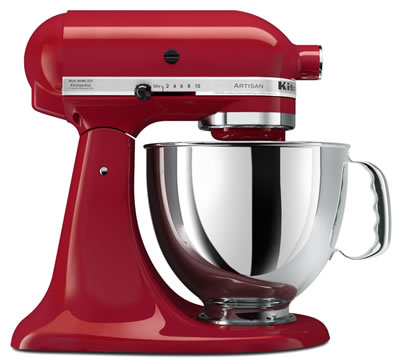
KitchenAid Artisan 5-Quart Stand Mixer – $400

This was bought shortly after we got married, and we’ve been using it regularly without any issues for now 15 years. We use it to beat eggs and knead dough for pizza, pasta, cookies, and bread. It’s got some “character” now (dings and scratches), but is definitely something where the cost is amortized over decades.

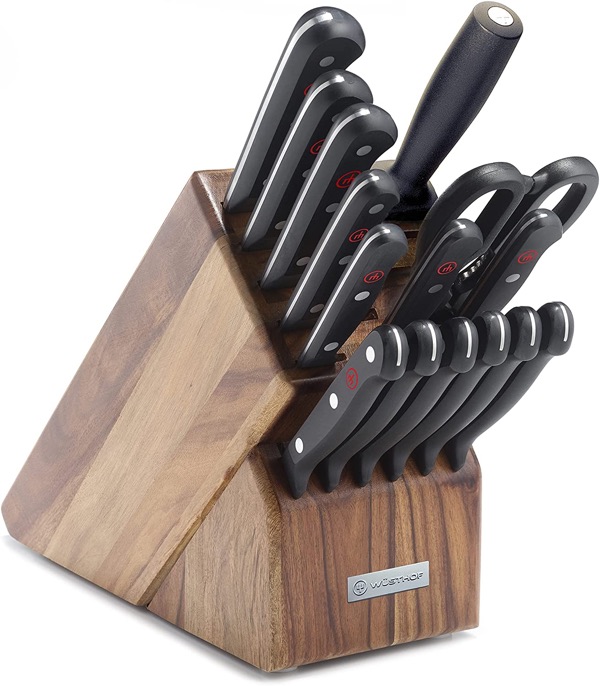
Wusthof Classic/Gourmet Knives – 16-pc set for $450

These were on our wedding registry. I was amazed someone actually bought them at the time, but we proceeded to use them nearly every day for over 15 years! (Yup, I’m old.) They have been professionally sharpened a couple of times (less often than recommended), but they still work perfectly with no chips or rust spots. I bought a $40 Asian cleaver from a shop in Chinatown a couple years ago, and it only lasted a few months before large rust spots appeared. My mom told me I didn’t treat it right. Probably. I told her I’d rather spend $100 on a knife and have it last decades even after not treating it right. So I bought this Henckels version and never regretted it. Good knives are worth it.

Behavioral Activation: Mood Follows Action

On top of everything else, December and January are busy times for finance as well. There are “year-end moves” like tax-loss harvesting, rebalancing your portfolio, making sure you contributed to your 401k/IRA/HSA/FSAs, and charitable giving. Then comes “New Year’s resolution” season with new goals to reduce debt, set up a savings schedule towards a house downpayment, increasing retirement contributions, and so on. Unfortunately, none of those things are as fun as checking your phone.
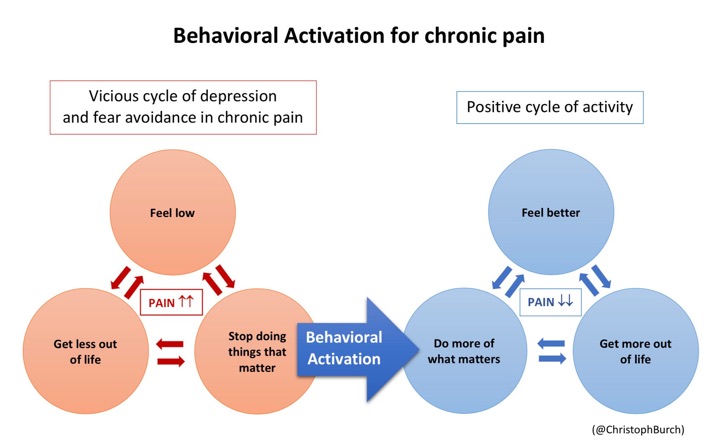
If you’re like me and looking for some additional motivation at times, consider the concept of behavioral activation. While behavioral activation is used as a serious treatment for depression, but it can also be applied to general wellness. From the Outside magazine article Why You’re Tired All the Time:

Your brain is doing everything it can to trick you into staying in bed all day, when the best thing to break out of the cycle would be to get up and go, or what psychologists call “behavioral activation,” which is a gold-standard treatment for depression. This isn’t to say the sensations of lethargy, dullness, and torpor are not real—they are, and they can be quite paralyzing. But those sensations, as far as we know, are not organic, not caused by a lack of sleep, an expenditure of physiological resources, or something wrong in the body, for example. If they were, taking action would make the situation worse. But, as research shows, with depression, taking action—particularly when supported by therapy—tends to make the situation better.

From 7 Wellness Strategies to Build Resilience:

On days when you’re down or anxious and want nothing but to sit in bed, nudge yourself into doing something—whether it’s calling a friend, accomplishing some creative work, exercising, or cleaning. Even if you have to force yourself, just get started. Research shows that behavioral activation—a strategy that involves doing something even if you don’t feel like it—is one of the most effective ways to change your mood. Intrusive thoughts and feelings are stubborn. This is why nonsense advice like “think positive” usually fails. Mood follows action. If you know your core values and act in alignment with them regardless of how you’re feeling, you give yourself the best chance at turning your mood around.

You are trying to break any negative cycles, and jump-start a positive cycle. From @christophburch:

Take action first, don’t wait for mood. Positive-reinforcement cycles are why methods like the “debt snowball” work so well. Any time you hear “Couple goes from zero savings to $20,000 in the bank”, that’s didn’t happen overnight; it was a positive reinforcement cycle. A little progress feels good, which makes it easier to keep going, and so on.

As a micro-example, when faced with something that I want to be done but don’t want to actually *do* it, I start by doing something positive, enjoyable, specific, and small that I know I can start and finish in less than 30 minutes. Once I am actually doing something positive, I can feel my energy levels improve and it makes it much more likely that I will want to do the next thing. Then I just tell myself to “start” the hard thing. In such a moment, I am more likely to run comparison quotes for auto insurance or make adjustments to my 401k.

Year-End Portfolio Rebalancing Check-In Time

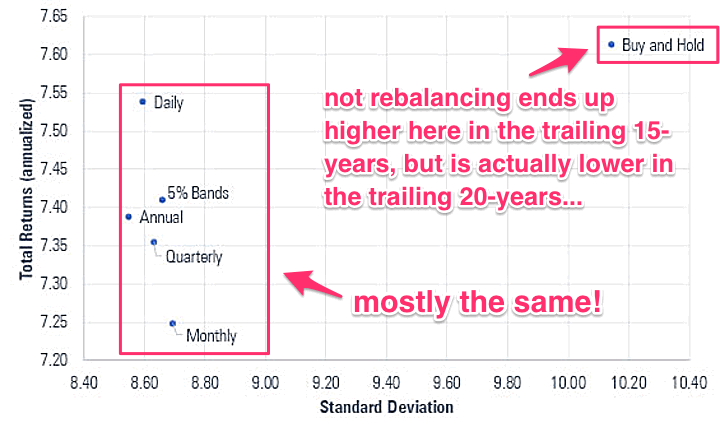
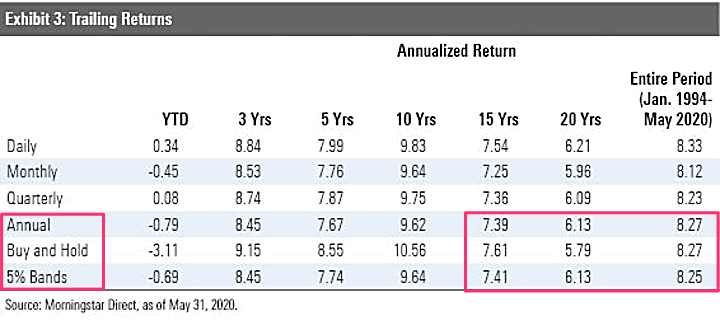
Although you can rebalance the stocks and bonds in your portfolio back towards your target asset allocation at any time, I usually see more articles about it at years-end. This works out well as the evidence doesn’t really support doing it more often than once a year. Morningstar has a couple of interesting rebalancing articles where the overall conclusions are the similar to those from the previously-mentioned Vanguard research, but with some added context.

Rebalancing is about risk control, not necessarily increasing returns. Sometimes rebalancing will increase returns, and sometimes buy-and-hold (not rebalancing) will lead to bigger returns. In the long run, you’d expect buy-and-hold to win as you allow the stocks to keep growing, but you might be surprised when comparing these trailing 15, 20, and 25 year timeframes ending May 2020.

Most common rebalancing strategies all work similarly. This means there is no need to do it more often annually. There is no single rebalancing rule that always results in the highest returns on all portfolios and over every timeframe. Therefore, why not pick an easy one that works for you, such as rebalancing once every year on the same date or using +/- 5% bands that may only get triggered once every 2 years on average.

I’ll end with a good conclusion sentence from the Vanguard paper:

Once you construct the appropriate allocation for your goals, remove yourself from difficult decisions by implementing an easy-to-follow, consistent rebalancing rule. […] We find that, over the long term, no one rebalancing strategy is dominant. Selecting and sticking with a reasonable rebalancing approach is better than not rebalancing at all.

The American Express Blue Business Cash(TM) Card Review: 2% Cash Back on First $50k in Purchases, No Annual Fee

card_name

card_name is a small business rewards card that earns a solid cash back rate with no complicated categories. There is also generous welcome offer for new applicants, which is great for a “keeper” business card. Here the highlights:

  • Earn a $250 statement credit after you make $3,000 in purchases on your Card in your first 3 months.
  • Earn 2% cash back on all eligible purchases on up to $50,000 per calendar year, then 1%. Cash back earned is automatically credited to your statement.
  • 0% intro APR on purchases for 12 months from the date of account opening, then reg_apr,reg_apr_type, based on your creditworthiness and other factors as determined at the time of account opening. APRs will not exceed 29.99%.
  • No annual fee. (See Rates and Fees)
  • Terms Apply.

This is a solid offer for small business owners who want a simple-yet-competitive rewards credit card. If your business purchases don’t exceed $50,000 within each calendar year, this card provides flat 2% cash back. In addition, your cash back is automatically credited to your statement as a statement credit, so you don’t have to remember to redeem anything.

My primary small business card for day-to-day spending is the sibling Blue Business® Plus Credit Card from American Express (my review), which offers 2X Membership Rewards points on the first $50,000 in purchases each year and 1 point per dollar thereafter. I prefer earning the double Membership Rewards points per dollar over 2% cash back because I regularly redeem each MR point for more than 1 cent per point of value. I happen to enjoy the flexibility of having some Membership Rewards in my back pocket to convert to airlines miles and hotel points, and this card also helps keep them active.

If you don’t expect to get at least 1 cent per mile value by converting to airline miles or hotel points, then this card is better. Many people will prefer the simplicity of cash.

Business credit card eligibility. Many people aren’t aware that they can apply for business credit cards, even if they are not a corporation or LLC. Any individual can be a small business. Perhaps you sell items on eBay, Craiglist, or Etsy. Maybe you do some graphic design, web design, freelancing and/or consulting. If you received a 1099-MISC tax form and filled out a Schedule C, that means you have business income, you pay self-employment taxes, and you’re a sole proprietorship. This is the simplest business entity, but it is fully legit and recognized by the IRS. On a business credit card application, you should use your own legal name as the business name, and your Social Security Number as the Tax ID.

This card will require you to personally guarantee that you’ll pay them back what you charge on the card, which means they’ll check your personal credit score like any other consumer card. However, as the card is a business card, American Express won’t have it show up on your personal credit report, so it won’t change things like your credit limits, average account age, or credit utilization ratio.

Bottom line. card_name is a small business rewards card that earns a flat 2% cash back on purchases up to $50,000 per calendar year with no annual fee. This is a high cash back percentage, and your rewards are automatically credited on the next monthly statement, so you don’t have to remember to redeem anything. (See Rates and Fees)

Fidelity Investments Incoming Brokerage Asset Transfer Review

In order to use Fidelity’s Fully Paid Stock Lending Program, I decided to transfer some of my individual stock holdings from Merrill Edge to Fidelity. I was pleasantly surprised by the smooth experience, and here is a quick review of the process.

  1. 12/1 Wednesday. I started the transfer process online at Fidelity and read about my options. I knew that I only wanted to transfer certain tickers, and was told I needed a statement from my current broker dated within the last 90 days. The process was estimated to take a week. I slept on the decision.
  2. 12/2 Thursday. I went through their online Q&A process, which required me to enter online the ticker symbols of all the specific shares that I wanted to transfer. Fidelity then entered this information neatly into their asset transfer form. I simply had to print it out, sign it, scan it into a PDF, and then upload it again. I also uploaded a PDF statement from Merrill Edge. I officially submitted the transfer request.
  3. 12/6 Monday. I noticed early in the day that my shares were removed from my Merrill Edge account. The securities didn’t show up online at Fidelity yet.
  4. 12/7 Tuesday. I received an email from Fidelity notifying me “Transfer of Assets Request Completed”. The shares showed up online at Fidelity as well.
  5. 12/8 Wednesday. I am waiting on the cost basis information to arrive, they said it may take up to 15 additional days.
  6. 12/9 Thursday. Cost basis information showed up online.

Here is the text of the final e-mail:

Congratulations. Your transfer of assets has been completed successfully.

It may take up to 15 days for your firm to provide cost basis information. We will update your account when this information is received. If cost basis information is not provided by your firm, or if your firm identified any assets as non-covered, you can provide this information yourself on the Positions/Cost Basis page within your Portfolio Summary.

Their status tracker page is detailed and informative. (It also confirmed all my of tickers and share amounts, which are not shown below.)

Fees. I could not find any official page regarding transfer fee rebates from Fidelity, but anecdotally if you call them up after completing a transfer, Fidelity may reimburse you any account transfer fees. Transfer fees usually run about $75, so perhaps they decide unofficially based on the amount of assets transferred. Thankfully, Merrill Edge does not charge a fee for outgoing partial account transfers, so there was nothing to reimburse. As far as I know, Fidelity is not offering any transfer bonuses at this time.

Bottom line. The process to transfer some stocks from Merrill Edge to Fidelity took less than a week and was completed 100% online. No phone calls, no follow-up emails, no signature guarantees to track down. I credit good service from both Fidelity and Merrill Edge (where I am still keeping enough assets to qualify for the Platinum Honors tier of their Preferred Rewards program.)

Loan Out Your Stocks For Extra Interest? Fully Paid Lending Income Programs

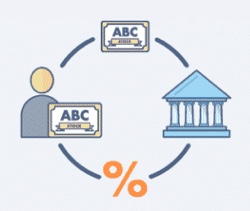
A few readers asked about “fully paid lending programs” offered by some brokerage firms. The premise is very intriguing: You lend out the stock shares you own and earn interest, all while keeping full “economic” ownership. You still get any upside or downside, you can still sell at any time, and your loans are backed by 100%+ collateral at a custodial bank. The broker finds borrowers, collects interest, and splits it with you (usually 50/50). Is this zero-effort free money? These programs can go by various names:
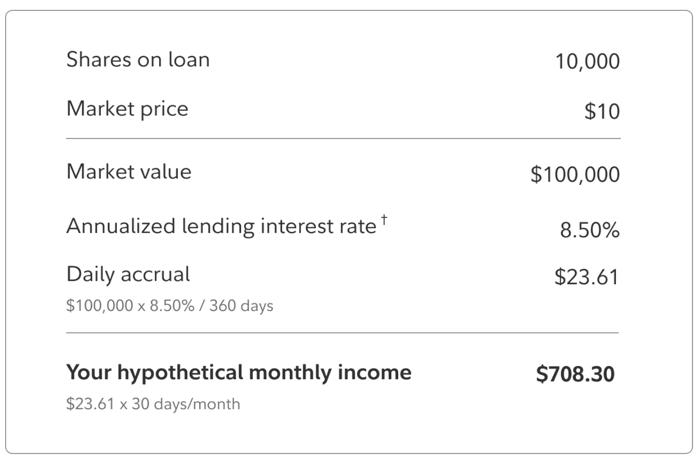
From Fidelity, here is a hypothetical example of how interest is calculated using an annualized lending rate of 8.50%.

Are the interest rates really that high? Fintel.io publishes “Short Borrow Fee Rates”, which they define as “the interest rate that must be paid by a short seller of [stock] to the lender of that security.” At the time of this writing, that fee was 0.25% APR for Tesla (TSLA) stock and 0.48% APR for Gamestop (GME) stock. That’s a far cry from 8.5%.

Still, if you have a large portfolio of stocks, even earning 0.10% in annual interest can become significant if it involves no extra effort.

Important factors to consider. After researching and comparing the details for each of these programs, here’s what I found.

  • Understand the mechanics of this collateralized loan. Shares on loan are not covered under Securities Investor Protection Corporation (SIPC). Counterparty default is thus a risk, and this is why the SEC requires that the broker provides collateral at a minimum of 100% of the loan value to be held at a third-party custodian bank. If the broker can’t pay, then you can request the collateral. Still, it could be a potential headache if the broker doesn’t follow the rules properly, as warned by this SEC letter.
  • You will get paid cash instead of your usual dividend payments while your security is on loan, and those two things may be taxed differently. Loan proceeds are usually taxed at your marginal tax rate (treated as ordinary income). Oftentimes, qualified dividends are taxed at a lower rate than ordinary income rates. Some brokers adjust for this difference, while many do not.
    It is possible you might lose more money due to these tax differences than gained through lending income.
  • Eligibility requirements vary by broker. For example, TD Ameritrade doesn’t allow margin accounts so you’ll have to downgrade to a cash account first. This may affect your ability to trade immediately with unsettled funds. Meanwhile, Fidelity requires a minimum account value of $25,000.
  • Participation doesn’t guarantee that your shares will be borrowed. Typically, securities that do get borrowed are in high demand or limited supply. Usually, they are used to facilitate short sales.
  • Interest rates paid vary. Don’t get too excited by the interest rates quoted in their hypothetical examples. It’s unlikely you’ll be earning a 8% rate for an entire year.
  • You give up proxy voting rights while your security is on loan.

I’ve never participated in such a program, but I have decided to try out the Fidelity Fully Paid Lending Program. I chose Fidelity for the following reasons:

Minimal counterparty risk. I view Fidelity as one of the most stable and reputable brokers, which means they are the least likely to have any issue paying back these loans. In addition, they have so much other business in high-compliance areas (401k plans, etc) that I trust that they will actually put up the proper collateral. Fidelity doesn’t need to take undue risks and is used to sweating the details.

Fully adjusting lost dividend income for taxes. Fidelity not only pays you any dividend income you miss due to them borrowing your stock, they adjust their payment higher to cover the maximum in potential taxes (26.98%). Perhaps another broker does this, but I didn’t see it spelled out explicitly and transparently like Fidelity. Otherwise, I might lose more money due to taxes than gained through lending income.

In order to mitigate the impact of cash-in-lieu payments to taxable accounts, Fidelity may return shares prior to a dividend record date. To help offset the potential tax burden associated with the receipt of cash-in-lieu payments in place of qualified dividends (as defined in the Jobs and Growth Tax Relief Reconciliation Act of 2003), Fidelity will credit participating taxable accounts with an additional credit adjustment equal to 26.98% of the qualified portion of the distribution. This adjustment will occur annually after all reclassification information is made available.4

Unfortunately, Merrill Edge and Vanguard do not seem to have such programs. I am currently in the process of transferring some securities into my Fidelity account to meet the minimum threshold.

If you have any experiences with these fully paid lending programs (good or bad) with any broker, please feel free to share in the comments. It’s been hard to find “real world” numbers on how much interest income to expect on a basket of mixed stocks.

Update: I posted an update on my real-world Fidelity securities lending income. Spoiler alert: The income has been miniscule.

Coursera: Free Online Courses on Accounting and Finance

One of my newer interests is better understanding individual businesses and how they work. Accounting is the “language of business” used to write annual reports, 10-Ks, 10-Qs, income statements, and so on. I was afraid a textbook would be too boring, so I am auditing the online Coursera course Financial Accounting Fundamentals by Professor Lynch of the University of Virginia. Here’s a quick summary of what is covered in the course:

Accounting is often called the language of business. It is this language that organizations use to communicate their economic performance to others. In this course, you will acquire the tools that you need to understand the fundamentals of accounting, the language of business.

You will learn to record business transactions in the company’s accounts, understand how they flow into the financial statements, and learn to draw basic conclusions about an organization’s financial health from the three most commonly used financial statements, the balance sheet, the income statement and the statement of cash flow. Are you ready? Then let’s go!

Auditing is completely free and lets you view all the materials and take “practice” quizzes, but you can’t take the “real” quizzes needed to earn the “shareable certificate” (which is fine with me as this is just for personal improvement and not future employment). The course assumes no prior knowledge, requires a commitment of roughly 2-3 hours per week, and lasts for 5 weeks. I finished the first week in about an hour and a half by watching videos at 1.25x speed. So far, I’ve enjoyed filling in the gaps in my knowledge.

This course is the first of a 4-part series by UVA called Entrepreneurship: Growing Your Business:

Welcome to Entrepreneurship: Growing Your Business, a new specialization from the Darden School of Business, University of Virginia. This Specialization was designed to give you the real-world tools and processes you will need to take your business from idea, to action, to growth and revenue. You’ll learn how to create budgets and read financial statements, how to lead with values, how to leverage new business models for growth and how to create new business innovations. Ideal for entrepreneurs, small business owners, and those who have a business plan but aren’t sure what to do next, Entrepreneurship: Growing Your Business will help you on the path to success for you, your business and society.

There are a few similar Coursera courses from UPenn Wharton and the University of Illinois.

I used to feel that I didn’t need to know any of this stuff (just buy a Target Date fund and work on your career, etc), but now I want to compound knowledge in this area as well. I’ll be able to use it for the rest of my life as a private investor living off of my portfolio. This is also related to working for yourself for an hour each day.

Best Interest Rates on Cash – December 2021 Update

via GIPHY

Here’s my monthly roundup of the best interest rates on cash as of December 2021, roughly sorted from shortest to longest maturities. Significant changes since last month: Not much… NASA FCU has updated their CD specials, and I finished buying up to the individual limits on the 7% Savings I Bonds for both of us. T-Bills, money market funds, and ETFs are still a pass.

I look for lesser-known opportunities earning more than most “high-yield” savings accounts and money market funds while still keeping your principal FDIC-insured or equivalent. Check out my Ultimate Rate-Chaser Calculator to see how much extra interest you’d earn by moving money between accounts. Rates listed are available to everyone nationwide. Rates checked as of 12/5/2021.

Fintech accounts
Available only to individual investors, fintech companies often pay higher-than-market rates in order to achieve fast short-term growth (often using venture capital). “Fintech” is usually a software layer on top of a partner bank’s FDIC insurance. Read about the types of due diligences you should do whenever opening a new bank account.

  • 3% APY on up to $100,000. The top rate is still 3% APY for October through December 2021 (can be 3.5% APY with their credit card), and they have not indicated any upcoming rate drop. HM Bradley requires a recurring direct deposit every month and a savings rate of at least 20%. Due to high demand, you must currently use a referral link to join. If you have any available to share (you only get 3), thanks to those who have dropped theirs in the comments of my HM Bradley review.
  • 3% APY on 10% of direct deposits + 1% APY on $25,000. One Finance lets you earn 3% APY on “auto-save” deposits (up to 10% of your direct deposit, up to $1,000 per month). Separately, they also pay 1% APY on up to another $25,000 with direct deposit. New customer $50 bonus via referral. See my One Finance review.
  • 3% APY on up to $15,000. Porte requires a one-time direct deposit of $1,000+ to open a savings account. New customer $50 bonus via referral. Important note: Porte is adding additional restrictions including minimum monthly transactions in January 2022. See my Porte review.
  • 1.20% APY on up to $50,000. You must maintain a $500 direct deposit each month for this balance cap, otherwise you’ll still earn 1.20% on up to $5,000. See my OnJuno review.

High-yield savings accounts
Since the huge megabanks pay essentially no interest, I think every should have a separate, no-fee online savings account to accompany your existing checking account. The interest rates on savings accounts can drop at any time, so I list the top rates as well as competitive rates from banks with a history of competitive rates. Some banks will bait you with a temporary top rate and then lower the rates in the hopes that you are too lazy to leave.

  • T-Mobile Money is still at 1.00% APY with no minimum balance requirements. The main focus is on the 4% APY on your first $3,000 of balances as a qualifying T-mobile customer plus other hoops, but the lesser-known fact is that the 1% APY is available for everyone. Thanks to the readers who helped me understand this. Unfortunately, some readers have reported their applications being denied.
  • Evangelical Christian Credit Union (ECCU) is offering new members 1.01% APY on up to $25,000 when you bundle a High-Yield Money Market Account & Basic Checking. (Existing members can get 0.75% APY.) To join this credit union, you must attest to their statement of faith.
  • There are several other established high-yield savings accounts at closer to 0.50% APY. Marcus by Goldman Sachs is on that list, and if you open a new account with a Marcus referral link (that’s mine), they will give you and the referrer a 1.00% APY for your first 3 months (a 0.50% boost). You can then extend this by referring others to the same offer.

Short-term guaranteed rates (1 year and under)
A common question is what to do with a big pile of cash that you’re waiting to deploy shortly (plan to buy a house soon, just sold your house, just sold your business, legal settlement, inheritance). My usual advice is to keep things simple and take your time. If not a savings account, then put it in a flexible short-term CD under the FDIC limits until you have a plan.

  • No Penalty CDs offer a fixed interest rate that can never go down, but you can still take out your money (once) without any fees if you want to use it elsewhere. CFG Bank has a 13-month No Penalty CD at 0.62% APY with a $500 minimum deposit. Ally Bank has a 11-month No Penalty CD at 0.50% APY for all balance tiers. Marcus has a 7-month No Penalty CD at 0.45% APY with a $500 minimum deposit. You may wish to open multiple CDs in smaller increments for more flexibility.
  • Lafayette Federal Credit Union has a 1-year CD at 0.80% APY ($500 min). Early withdrawal penalty is 6 months of interest. Anyone can join this credit union via partner organization ($10 one-time fee).

Money market mutual funds + Ultra-short bond ETFs
Many brokerage firms that pay out very little interest on their default cash sweep funds (and keep the difference for themselves). Unfortunately, money market fund rates are very low across the board right now. Ultra-short bond funds are another possible alternative, but they are NOT FDIC-insured and may experience short-term losses at times. These numbers are just for reference, not a recommendation.

  • The default sweep option is the Vanguard Federal Money Market Fund which has an SEC yield of 0.01%.
  • Vanguard Ultra-Short-Term Bond Fund currently pays 0.45% SEC yield ($3,000 min) and 0.55% SEC Yield ($50,000 min). The average duration is ~1 year, so your principal may vary a little bit.
  • The PIMCO Enhanced Short Maturity Active Bond ETF (MINT) has a 0.35% SEC yield and the iShares Short Maturity Bond ETF (NEAR) has a 0.44% SEC yield while holding a portfolio of investment-grade bonds with an average duration of ~6 months.

Treasury Bills and Ultra-short Treasury ETFs
Another option is to buy individual Treasury bills which come in a variety of maturities from 4-weeks to 52-weeks. You can also invest in ETFs that hold a rotating basket of short-term Treasury Bills for you, while charging a small management fee for doing so. T-bill interest is exempt from state and local income taxes. Right now, this section isn’t very interesting as T-Bills are yielding close to zero!

  • You can build your own T-Bill ladder at TreasuryDirect.gov or via a brokerage account with a bond desk like Vanguard and Fidelity. Here are the current Treasury Bill rates. As of 12/3/2021, a new 4-week T-Bill had the equivalent of 0.04% annualized interest and a 52-week T-Bill had the equivalent of 0.25% annualized interest.
  • The Goldman Sachs Access Treasury 0-1 Year ETF (GBIL) has a -0.07% SEC yield and the SPDR Bloomberg Barclays 1-3 Month T-Bill ETF (BIL) has a -0.09% (!) SEC yield. GBIL appears to have a slightly longer average maturity than BIL.

US Savings Bonds
Series I Savings Bonds offer rates that are linked to inflation and backed by the US government. You must hold them for at least a year. If you redeem them within 5 years there is a penalty of the last 3 months of interest. The annual purchase limit for electronic I bonds is $10,000 per Social Security Number, available online at TreasuryDirect.gov. You can also buy an additional $5,000 in paper I bonds using your tax refund with IRS Form 8888.

  • “I Bonds” bought between November 2021 and April 2022 will earn a 7.12% rate for the first six months. The rate of the subsequent 6-month period will be based on inflation again. We have both bought up to the individual limits for 2021. Details here.
  • In mid-April 2022, the CPI will be announced and you will have a short period where you will have a very close estimate of the rate for the next 12 months. I will have another post up at that time.
  • See below about EE Bonds as a potential long-term bond alternative.

Prepaid Cards with Attached Savings Accounts
A small subset of prepaid debit cards have an “attached” FDIC-insured savings account with exceptionally high interest rates. The negatives are that balances are severely capped, and there are many fees that you must be careful to avoid (lest they eat up your interest). There is a long list of previous offers that have already disappeared with little notice. I don’t personally recommend nor use any of these anymore, as I feel the work required and risk of messing up exceeds any small potential benefit.

  • Mango Money pays 6% APY on up to $2,500, if you manage to jump through several hoops. Requirements include $1,500+ in “signature” purchases and a minimum balance of $25.00 at the end of the month.

Rewards checking accounts
These unique checking accounts pay above-average interest rates, but with unique risks. You have to jump through certain hoops which usually involve 10+ debit card purchases each cycle, a certain number of ACH/direct deposits, and/or a certain number of logins per month. If you make a mistake (or they judge that you did) you risk earning zero interest for that month. Some folks don’t mind the extra work and attention required, while others would rather not bother. Rates can also drop suddenly, leaving a “bait-and-switch” feeling.

  • Quontic Bank is offering 1.01% APY on balances up to $150,000. This is best for people who have high balances, as the rate is not as high as other rewards checking accounts. You need to make 10 debit card point of sale transactions of $10 or more per statement cycle required to earn this rate.
  • The Bank of Denver pays 2.00% APY on up to $10,000 if you make 12 debit card purchases of $5+ each, receive only online statements, and make at least 1 ACH credit or debit transaction per statement cycle. The rate recently dropped. If you meet those qualifications, you can also link a Kasasa savings account that pays 1.00% APY on up to $25k. Thanks to reader Bill for the updated info.
  • Presidential Bank pays 2.25% APY on balances between $500 and up to $25,000, if you maintain a $500+ direct deposit and at least 7 electronic withdrawals per month (ATM, POS, ACH and Billpay counts).
  • Evansville Teachers Federal Credit Union pays 3.30% APY on up to $20,000. You’ll need at least 15 debit transactions and other requirements every month.
  • Lake Michigan Credit Union pays 3.00% APY on up to $15,000. You’ll need at least 10 debit transactions and other requirements every month.
  • Find a locally-restricted rewards checking account at DepositAccounts.

Certificates of deposit (greater than 1 year)
CDs offer higher rates, but come with an early withdrawal penalty. By finding a bank CD with a reasonable early withdrawal penalty, you can enjoy higher rates but maintain access in a true emergency. Alternatively, consider building a CD ladder of different maturity lengths (ex. 1/2/3/4/5-years) such that you have access to part of the ladder each year, but your blended interest rate is higher than a savings account. When one CD matures, use that money to buy another 5-year CD to keep the ladder going. Some CDs also offer “add-ons” where you can deposit more funds if rates drop.

  • NASA Federal Credit Union has a special 49-month Share Certificate at 1.70% APY ($10,000 min of new funds). Early withdrawal penalty is 1 year of interest. They also have a 15-month special at 1.05% APY and 8-month at 0.80% APY.
    Anyone can join this credit union by joining the National Space Society (free). However, NASA FCU will perform a hard credit check as part of new member application.
  • Lafayette Federal Credit Union has a 5-year CD at 1.26% APY ($500 min). Early withdrawal penalty is 6 months of interest. Anyone can join this credit union via partner organization ($10 one-time fee). PenFed and other credit unions now offer rates close to 1.25% on a 5-year CD.
  • You can buy certificates of deposit via the bond desks of Vanguard and Fidelity. You may need an account to see the rates. These “brokered CDs” offer FDIC insurance and easy laddering, but they don’t come with predictable early withdrawal penalties. Right now, I see a 5-year CD at 1.25% APY. Be wary of higher rates from callable CDs listed by Fidelity.

Longer-term Instruments
I’d use these with caution due to increased interest rate risk, but I still track them to see the rest of the current yield curve.

  • Willing to lock up your money for 10 years? You can buy long-term certificates of deposit via the bond desks of Vanguard and Fidelity. These “brokered CDs” offer FDIC insurance, but they don’t come with predictable early withdrawal penalties. You might find something that pays more than your other brokerage cash and Treasury options. Right now, I see a 10-year CD at 1.80% APY vs. 1.29% for a 10-year Treasury. Watch out for higher rates from callable CDs from Fidelity.
  • How about two decades? Series EE Savings Bonds are not indexed to inflation, but they have a unique guarantee that the value will double in value in 20 years, which equals a guaranteed return of 3.5% a year. However, if you don’t hold for that long, you’ll be stuck with the normal rate which is quite low (currently 0.10%). I view this as a huge early withdrawal penalty. But if holding for 20 years isn’t an issue, it can also serve as a hedge against prolonged deflation during that time. Purchase limit is $10,000 each calendar year for each Social Security Number. As of 12/3/2021, the 20-year Treasury Bond rate was 1.77%.

All rates were checked as of 12/5/2021.

Consumer Reports: Top 10 Most Reliable Car Brands 2021

Consumer Reports has released updated results from their 2021 Car Owner Survey in the articles Who Makes the Most Reliable Cars?, 10 Most Reliable Cars, and 10 Least Reliable Cars. Most of it is now behind a paywall, but more info can be found in outside media coverage like USA Today. Here are highlights, including the Top 10 and Bottom 5:

  • Most reliable: Lexus is back at #1, but the top 3 are the same (Lexus, Mazda, Toyota)
  • Most improved ranking (into Top 10): Infiniti and Acura.
  • Biggest ranking drops (out of Top 10): Hyundai and Ram.

Consumer Reports Top 10 Most Reliable Car Brands, 2021 (2020 ranking)

  1. Lexus (3)
  2. Mazda (1)
  3. Toyota (2)
  4. Infiniti
  5. Buick (4)
  6. Honda (5)
  7. Subaru (8)
  8. Acura
  9. Nissan
  10. Mini

Consumer Reports Bottom 5 LEAST Reliable Car Brands, 2021

  • Volkswagen
  • Genesis
  • Jeep
  • Tesla
  • Lincoln

The following brands did not have enough survey responses to be ranked: Alfa Romeo, Dodge, Fiat, Jaguar, Land Rover, Maserati, Mitsubishi, and Polestar.

Here are the 2020 rankings for the curious. I don’t think these rankings are perfect, but I do believe they are unbiased and based on actual reader surveys.

Despite providing these brand rankings, Consumer Reports recommends that you shop by specific vehicle model and not just by brand make. Reliability problems often occur when a new model is released with a new engine and/or drivetrain system. In my opinion, this makes the best bet to buy a Toyota/Lexus/Mazda model that is a few years into the current generation, after any remaining kinks have been worked out. Not exciting, but neither is the hassle and expense of dealing with car repairs. Consumer Reports print subscribers can add digital access for $25 per year.