 Every time a large corporation stumbles, you will see something along these lines: Having Too Much Employer Stock in Your 401(k) Is Dangerous. That doesn’t prevent it from being solid advice. The best advice bears repeating.
Why? If your retirement savings are heavily concentrated in your employer stock, you human capital and your investment capital are directly linked. If your company falters, then you can lose both your job and your retirement security. Past examples include Enron, MCI Worldcom, and Tyco. Remember that any individual stock can go to zero.
In a large, multinational corporation, even a mid-level executive simply won’t affect the bottom line that much. You could be doing a great job, but what if the top brass commits fraud, takes on too much debt, or otherwise mismanages the company.
This time around, it is General Electric (GE). Per Morningstar data, $100,000 invested in GE stock on January 1st, 2017 would be about $47,000 today. Over the same period, $100,000 invested in a S&P 500 index fund would be about $124,000. That’s a gap of over $75,000 on a starting balance of $100,000. GE may recover eventually, but even that won’t help a retiree who needs the money now.
The Fortune article provides a list of other large company 401(k) plans that have heavy allocations to their own stock. Some of these are highly-respected companies, but then again so was GE.
- Sherwin Williams (62%)
- Colgate Palmolive (56%)
- Exxon Mobil (54%)
- Lowe’s Home Improvement (50%)
- PACCAR (50%)
- Dillard’s Department Stores (48%)
- Chevron (44%)
- McDonalds (39%)
- Costco (38%)
- Cerner (37%)
In my opinion, things are different if you are a majority owner of a small, private business. Yes, you also have a lot of eggs in one basket, but you directly control that basket! In addition, your upside could be much, much greater.
Consider that Vanguard charges money for financial advice through their Vanguard Managed Account Program (VMAP). When they analyzed the before-and-after results from actual participants, they found that their biggest impact was simply helping people reduce their exposure to company stock. They found that 12% of participants initially had a concentrated position of 20% or more in employer stock.
If you’re reading this, you can implement this advice for free! Do not invest more than 10% of your 401(k) plan in company stock. Consider reallocating funds into a low-cost, diversified index fund or other similar alternative. (Companies themselves are not allowed to exceed 10% in company stock for pension plans.)
 Amazon Prime members are now able to get an additional 10% off on “hundreds” of Whole Foods sale items at locations nationwide. Look for the yellow sign below. They had been rolling this out gradually, but it is now nationwide as of 6/27/18. There will also be other discounts marked as “Prime member deals” with a blue sign.


 You may have read recently that the Social Security Trust Fund is starting to shrink, and that it is projected to run out of money in 16 years. (Medicare’s trust fund is projected to run out in 8.) This is not the same thing as Social Security itself running out of money, as most Social Security payments to retirees come from the payroll taxes paid by current workers. As the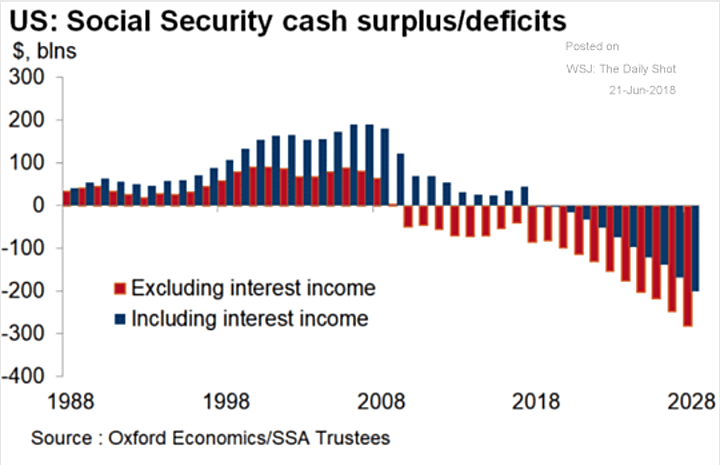

 If you have researched retirement at all (early or otherwise), you’ve probably ran across various retirement calculators online. You input how much money you have (or plan to have), your asset allocation, and it spits out some numbers. This


 Here comes another new “Direct” bank leapfrogging the current competition for some attention. The Northern Bank Direct Money Market account is offering 2.26% APY on average daily balances up to $250,000, and the rate is guaranteed through June 30, 2019. Of course, another bank could take the throne tomorrow, but at least this one comes with a rate guarantee. Other highlights: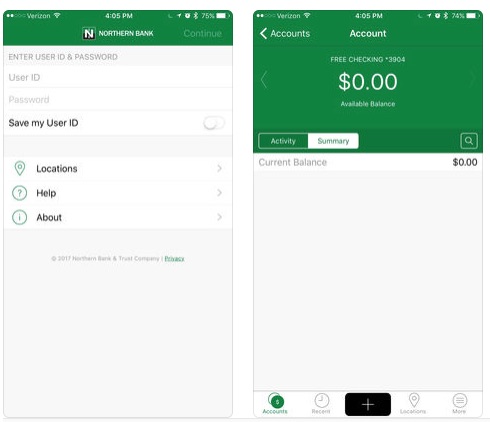
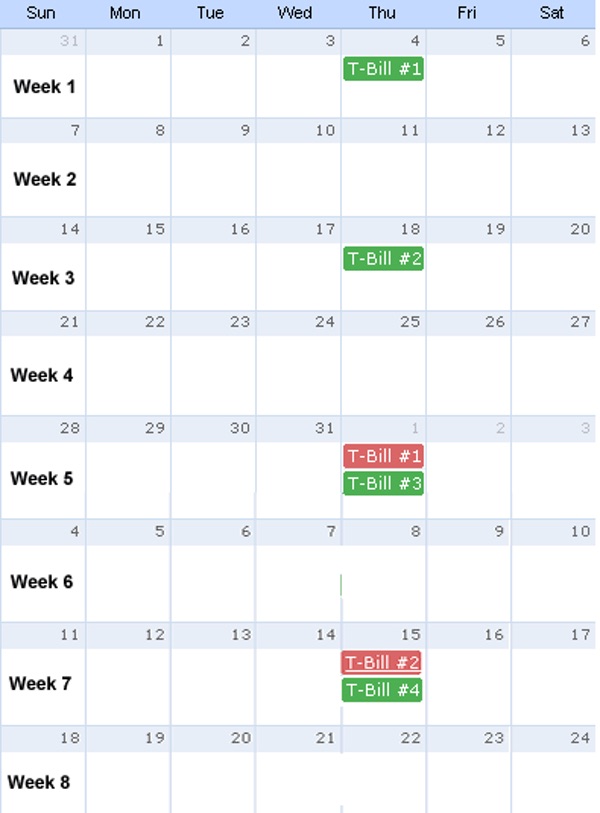
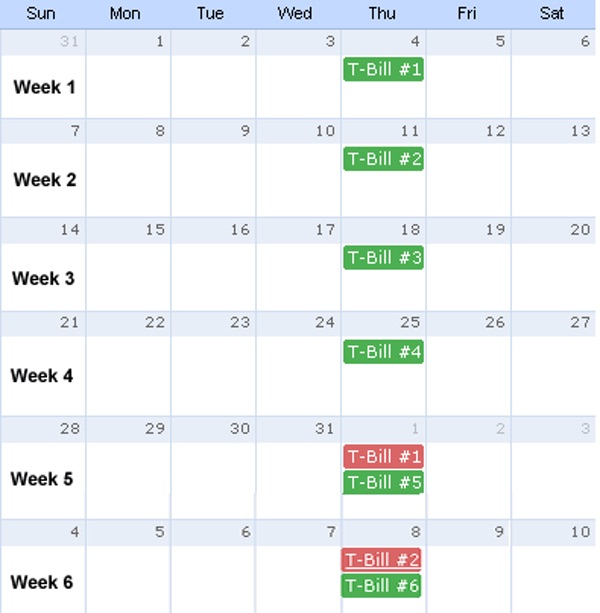
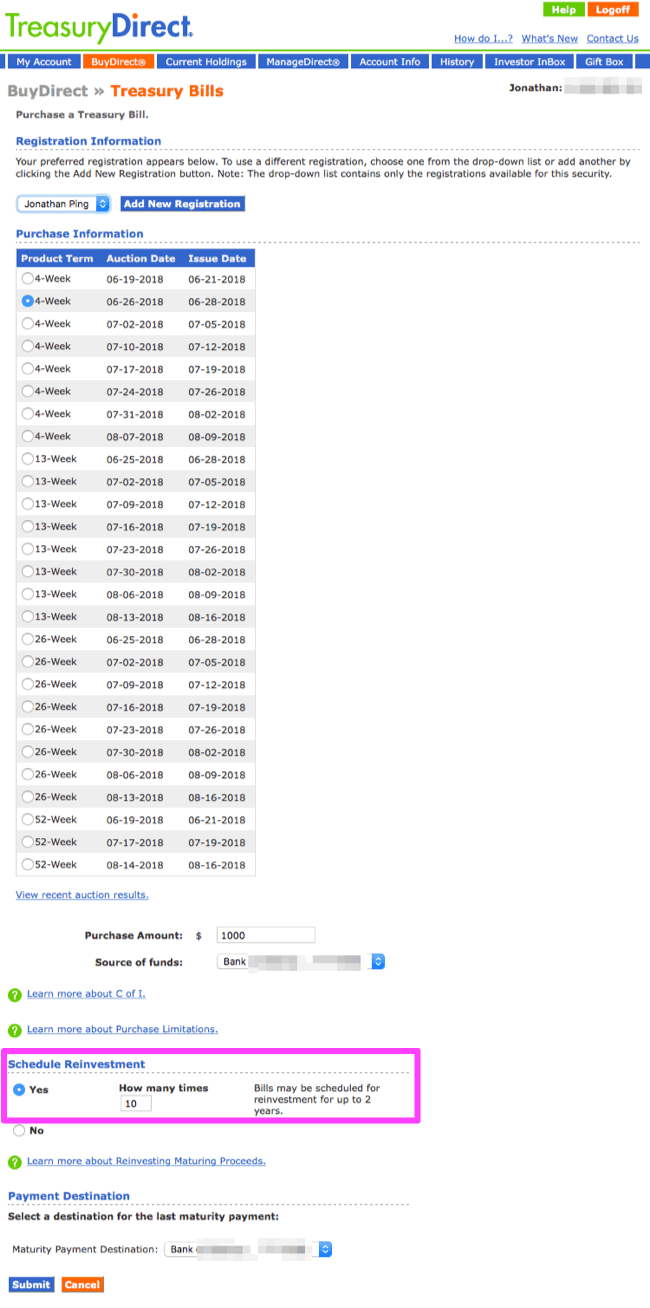
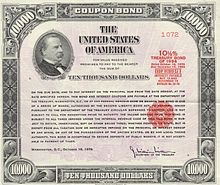 For my magic trick today, I will be resurrecting a post from over 11 years ago! That’s the last time it there was any significant interest for an individual to buy Treasury Bills instead of using a top-yielding bank account. As of 6/18/18, a 4-week T-Bill rose to a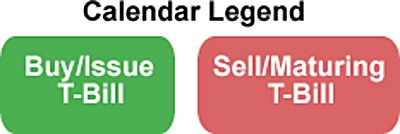

 Should a person who retires at age 70 withdraw the same amount of money from their portfolio as someone who is age 40? You’re talking about a retirement period that is likely twice as long as the other. In an article titled
  When it comes to making your portfolio last a lifetime, you may be surprised at how long that might be. According to this Vanguard longevity tool, for a couple both age 40 today, there is a 50% chance that one will live to 88. That’s 48 years.
 Are you thinking of helping your kid setting up a lemonade stand this summer? Apparently, some young entrepreneurs are getting shut down due to a lack of small business permits. In a very savvy PR move,
 The Best Credit Card Bonus Offers – 2026
 Big List of Free Stocks from Brokerage Apps
 Best Interest Rates on Cash - 2026
 Free Credit Scores x 3 + Free Credit Monitoring
 Best No Fee 0% APR Balance Transfer Offers
 Little-Known Cellular Data Plans That Can Save Big Money
 How To Haggle Your Cable or Direct TV Bill
 Big List of Free Consumer Data Reports (Credit, Rent, Work)